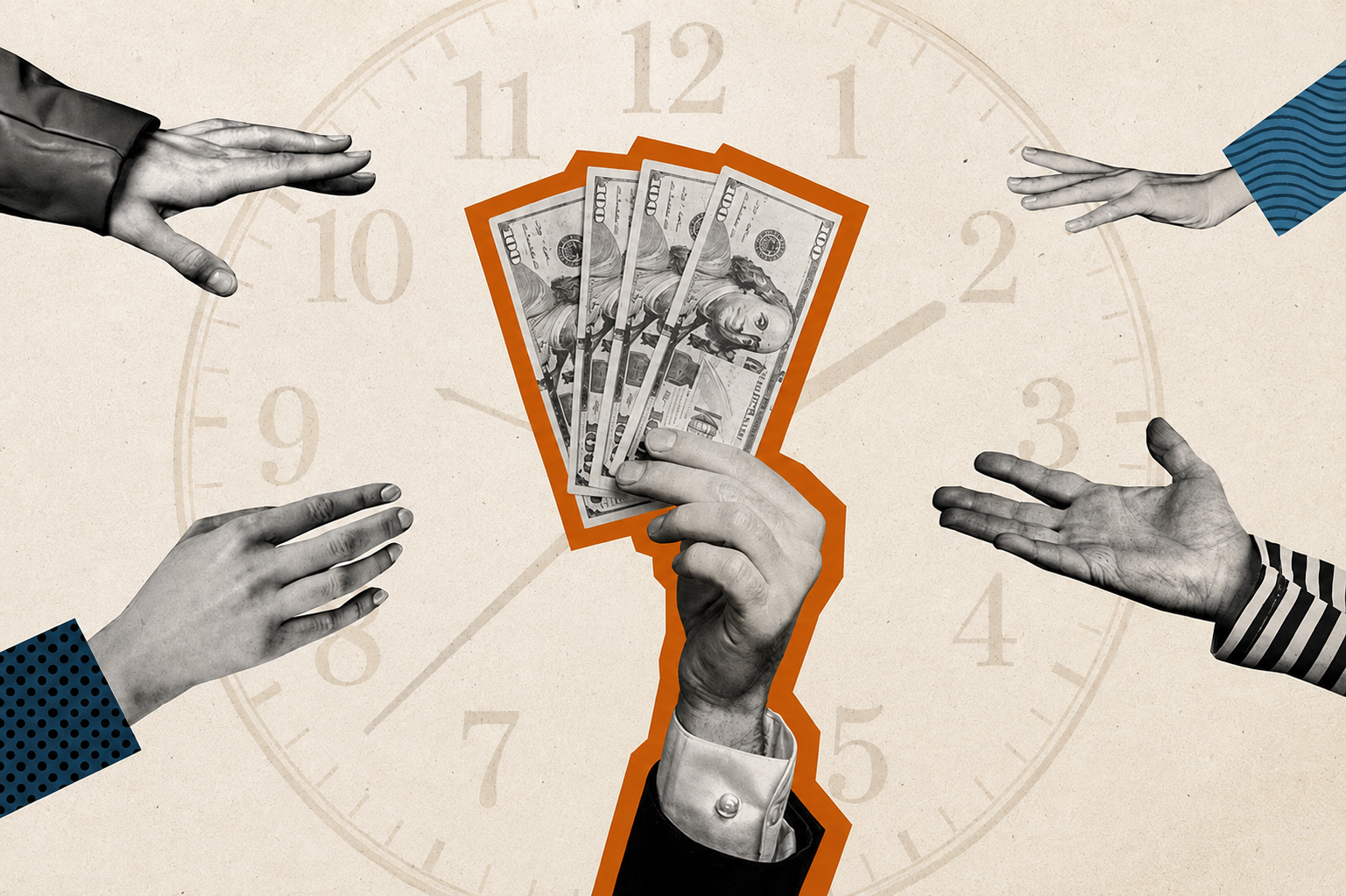
Every Trader Learns This Lesson Too Late
Kojo Forex
Author

Nobody walks into forex thinking they will be the one to blow their account.
They come in with confidence, maybe a little too much of it. They've watched the videos, joined the group chats, seen the screenshots of other people's profits, and decided this is something they can figure out. The market looks logical enough on a chart. Buy low, sell high. How hard can it be?
Then the market teaches them. And it is never gentle about it.
The painful truth is that every lesson in this list gets learned eventually. The only variable is whether you learn it cheap, through education and discipline, or expensive, through a blown account and months of frustration you can never get back.
If you're serious about building the right trading habits, don't try to do it alone. When you create and fund your eligible Exness account through my link, you'll receive FREE access to my Complete Beginner Forex Course, VIP Trade Signals, Live Trading Sessions, the KojoForex Telegram Community, and several other educational resources that have helped me and many others stay focused on the right process.
Here is what almost every trader learns too late.
Lesson 1: A Plan Is Not Optional
Most beginners open their first trade with nothing but a feeling. Price looks like it's going up. The candle looks strong. Someone in a group said buy. So they buy.
That is not trading. That is guessing with a funded account.
A trading plan defines exactly when you enter, what confirms the setup, where your stop loss goes, where your target is, and how much of your account you are putting at risk. Without it, every single decision gets made in the moment, under pressure, with real money on the line. And decisions made under pressure almost always cost more than they should.
The traders who skip a trading plan always say the same thing afterward: "I knew what I was supposed to do. I just didn't do it." That gap between knowing and doing is exactly what a written plan closes. It removes the option of improvising when your emotions have other ideas.
Lesson 2: Letting Losses Run Is the Fastest Way to Destroy an Account
Here is a scenario almost every trader has lived through. A trade goes against you. Instead of closing it at the stop loss, you move the stop, or remove it entirely, telling yourself the market will come back. It doesn't. What started as a manageable loss becomes a catastrophic one.
The psychology behind this is completely understandable. Nobody wants to be wrong. Closing a losing trade means admitting the trade didn't work. So instead, traders hold on, hoping the market will rescue them from a decision they already know was wrong.
The market doesn't do rescues.
A stop loss is not a suggestion. It is the point at which you agreed, before the trade was opened, that the setup no longer made sense. The moment you move it, you are no longer trading your plan. You are trading your ego, and your ego will cost you far more than your stop loss ever would have.
Lesson 3: Cutting Winners Short Cancels Out Every Good Decision You Make
The other side of the same problem. A trade goes in your direction, you get nervous it will reverse, and you close it early for a small profit. Then you watch it continue all the way to the target you originally set, without you in it.
This happens constantly because profit feels good and the fear of losing that profit feels worse. So traders lock in a small win rather than let the setup play out the way they planned.
The numbers make this devastatingly clear. If you risk the same amount on every trade but consistently cut your winners short, you destroy your risk-to-reward ratio. The winning trades that were supposed to compensate for the inevitable losses end up not being big enough to do so. The strategy that had a genuine edge stops working, not because the market changed, but because the trader's emotions did.
Trust the setup enough to let it finish.
Lesson 4: Overtrading Is Losing Money Without Realizing It
There is a version of losing money that doesn't feel like losing. It feels like being active. Like participating. Like doing something.
That is overtrading. And it destroys accounts quietly, spread by spread, impulsive entry by impulsive entry, until the trader looks at their balance and can't figure out where it all went.
Overtrading happens for different reasons. Boredom makes traders look for setups that aren't there. The pressure to "make back" a loss pushes traders into low-quality entries they would never take on a good day. Excitement after a winning trade creates overconfidence, and suddenly everything looks like an opportunity.
The market does not reward activity. It rewards patience. The best traders in the world spend most of their time doing nothing, waiting for the A+ setup, the high-conviction entry where everything lines up. One quality trade per day beats ten impulsive ones every single time.
Lesson 5: Revenge Trading Is the Most Expensive Emotion in the Market
Its easy to find another entry but it isn't easy to find another trading capital. You take a loss. A real one, maybe bigger than expected. The immediate response is a burning need to get it back, right now, on the next trade. So you open another position, bigger this time, with less analysis, because speed feels more important than quality.
That is revenge trading. And it has wiped out more accounts than bad strategies ever have.
The problem with revenge trading is that it compounds the original mistake. The first loss was painful but survivable. The revenge trade turns it into a disaster. And then the next one tries to fix that disaster. By the time the pattern stops, the account is unrecognizable.
The only correct response to a painful loss is to close the platform. Not for a minute. For the day. The market will be there tomorrow. The money you lose chasing an emotional trade will not come back as easily as the next setup will appear.
Lesson 6: Risk Management Is Not Something You Add Later
This is the one that costs people the most, and the one that gets dismissed the most.
Risk management sounds boring. It sounds like the part you get to after you've figured out the exciting stuff, entries, patterns, strategies. So traders deprioritize it. They focus on finding setups and assume they'll "figure out the risk side" as they go.
They figure it out. Usually after a loss so large it changes their relationship with trading permanently.
Risk management is not a finishing touch. It is the entire structure everything else is built on. Knowing your maximum loss per trade before the trade is opened. Knowing how many losing trades in a row your account can survive without being crippled. Knowing when to reduce size because your mindset is off, not just when your strategy says to enter.
The Hard Part Nobody Warns You About
Here's the thing about all six of these lessons. None of them are secrets. You've probably heard most of them before, in a YouTube video, a Telegram group, a passing comment from someone who's been trading longer than you.
But hearing something and actually building it into the way you trade are two completely different things. That gap, between knowing the right thing to do and actually doing it when real money is on the line, is where most trading careers quietly fall apart.
Closing that gap is not something a five-minute video can do. It requires a structured curriculum that teaches each of these concepts in the right order, with real chart examples, real psychology, and real risk management built in from the very first lesson, not discovered after the first blown account.
That is exactly what the Kojoforex Mastery Course was designed to be. Not a shortcut. Not a signal service. A complete framework that builds the kind of trader who doesn't need to learn these lessons the hard way, because they already understand why each one matters before the market has a chance to teach them otherwise.
Conclusion
Every trader on this list learned their lesson eventually. The ones who figured it out early did so because someone gave them the right structure before the market gave them the wrong education.
You are reading this before that expensive lesson has to happen. That already puts you ahead.
What you do next is the only part left.